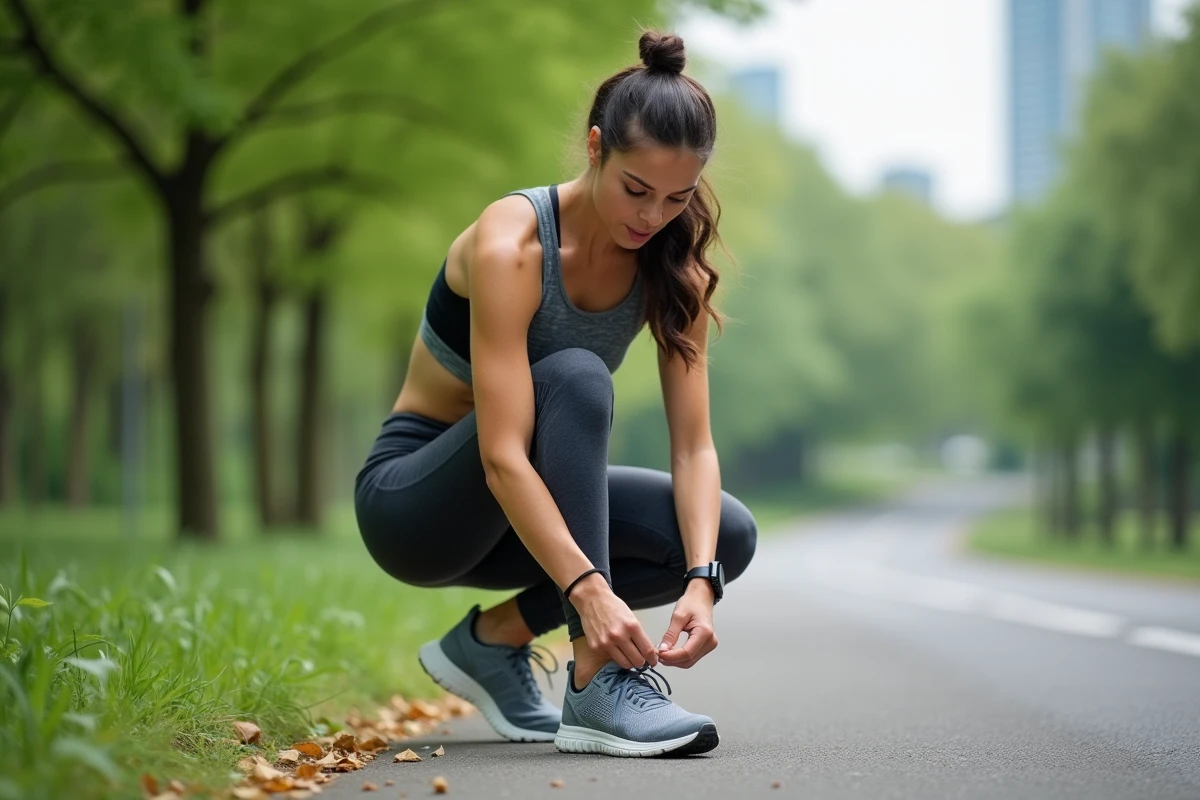
In 2026, hybrid training captures 40% of regular practitioners, disrupting the dominance of traditional gyms. Adaptive coaching apps now surpass classic subscriptions, reversing the dynamics of the industry in less than five years.
The massive adoption of biometric sensors is changing performance tracking criteria and redefining recovery priorities. Collective practices in augmented reality are becoming part of weekly programs, accelerating the transformation of sports routines after the pandemic.
How the pandemic transformed our sports habits and paved the way for new trends
The pandemic disrupted the daily relationship with sports and redefined the lifestyle of millions of enthusiasts. Gym closures, social distancing, uncertainties: practice first shifted to home, in the living room or at the neighborhood park. France saw, according to ONAPS figures, a 27% increase in outdoor activities over the past few years. This migration has favored the emergence of new fitness trends and digital innovations adapted to daily constraints.
This transformation goes far beyond the dematerialization of classic sessions. Faced with constraints, many have reinvented their relationship with effort, opting for shorter formats that better fit a fragmented daily life. Programs focused on mobility, functional strength, or quick recovery have become established, while connected apps, booming, now offer tailored tracking with precise analysis of each session. This blend of real and virtual is currently reshaping the codes, in tune with a sports news landscape that continues to evolve.
Some players, like https://www.tictacsport.fr/, provide customized advice for all levels, sharing the most effective practices to maintain the pace. Specialized social networks have become true hubs for exchange and emulation to share routines, challenges, and results. Gyms must adapt to this shift, inventing new nomadic, flexible, and more inclusive models than before.
What innovations and activities are emerging in fitness in 2026?
Fitness continues to reinvent itself at a rapid pace. In 2026, technology and the boldness of industry players unveil unprecedented experiences. The flagship trend? Hybrid classes, which are now part of the daily routine for many enthusiasts. Here are some concrete examples:
- The alternation between a gym session and an interactive module at home has become widespread, offering more flexibility while ensuring continuous progress.
- Thanks to connected cameras, biometric sensors, and artificial intelligence, each workout adapts in real-time, proposing the best exercises to progress effectively and avoid injuries.
The popularity of mma and martial arts continues to grow. Boxing, mma, combat: these disciplines attract an ever-wider audience, supported by online content, video tutorials, and accessible masterclasses. Gyms now offer innovative modules combining strength training and combat techniques, suitable for all profiles.
Basketball is also experiencing a resurgence in popularity, driven by the dynamics of major nba competitions and the visibility of sports news results broadcast live. Several clubs are investing in augmented reality game simulators, allowing for the refinement of technical skills and reflexes in near-real conditions.
To illustrate this dynamic, here are the main trends that are emerging:
- Programs combining strength training nutrition and data analysis to maximize each session;
- “On demand” offers that allow for adapting fitness strength training to one’s schedule;
- The arrival of innovations in biometric tracking to measure and secure the progress of each practitioner.
Technology is becoming a partner at every moment, from virtual coaching to personalized dietary recommendations, transforming sports practice into a truly tailored experience.
Adopting daily sports trends that suit you: tips to take action
Before trying multiple activities, it’s better to target the sports activities that truly fit your rhythm. If constraints take over, pleasure quickly evaporates. Those who manage to maintain their momentum often focus on consistency, rather than performance at all costs. Today, physical activity fits into increasingly flexible, fragmented days. Here’s how these practices unfold throughout the week:
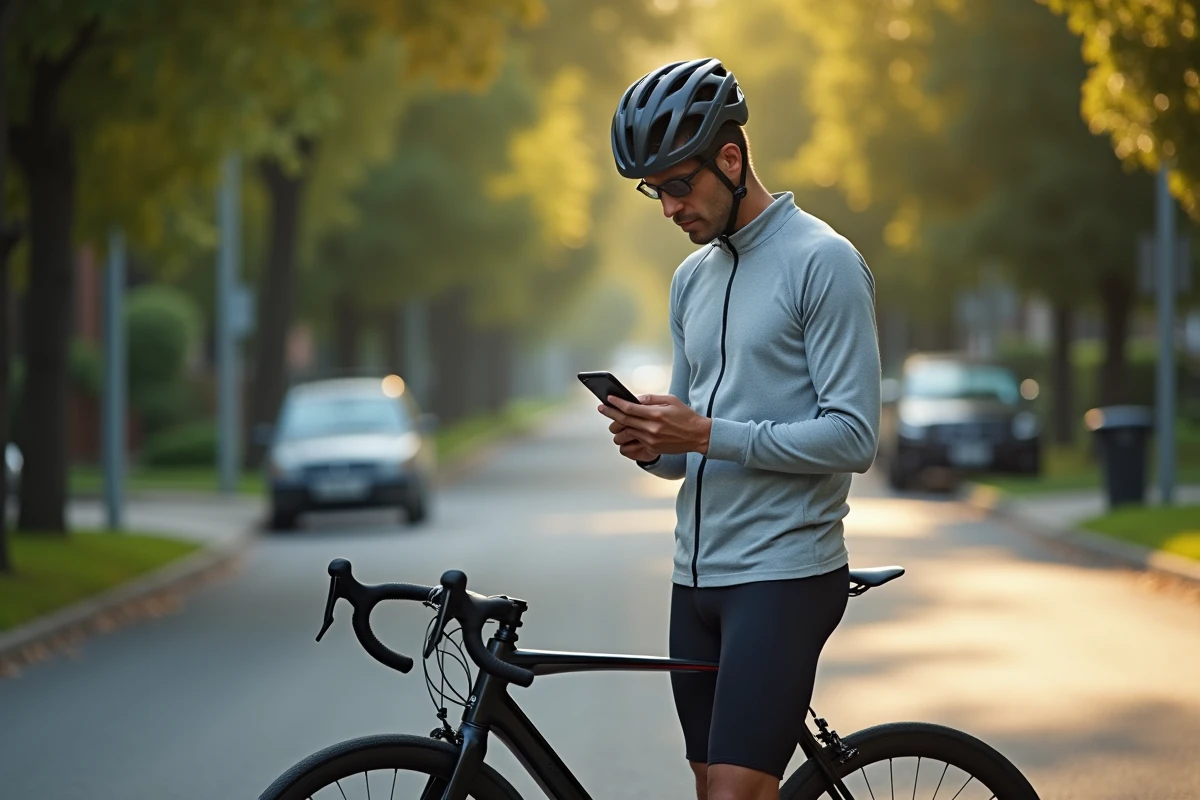
- A strength training session first thing in the morning, a few kilometers on a bicycle for commuting, or a break in the gym to work on endurance and flexibility.
- Opinions vary, but the key is to adapt. Browse the best articles or tried-and-true guides: test a discipline for a short period, adjust the intensity, prioritize body weight to avoid unnecessary injuries.
- For enthusiasts of mtb or road cycling, training is structured according to the season, alternating long rides and targeted exercises to enhance progress.
Some practical tips:
To get the most out of each session, here are simple and applicable tips:
- Alternate formats: one day basketball, another combat or bicycle, depending on your condition and desires.
- Progress without rushing your body. It’s better to advance step by step than to give it all at once and lose motivation.
- Check recent publications or shared experiences; they often shed light on methods that really work.
With a diversity of disciplines, advice tailored to each profile, and practical guides, personalization becomes the key to sustainable engagement. Dare to explore, adjust according to your needs, and invest in a physical activity that reflects you, daily and for the long term.
Trends renew, tools evolve, but the joy of moving, learning, and progressing remains the most faithful ally. It is now up to each individual to compose their own sports score, balancing innovation and consistency.